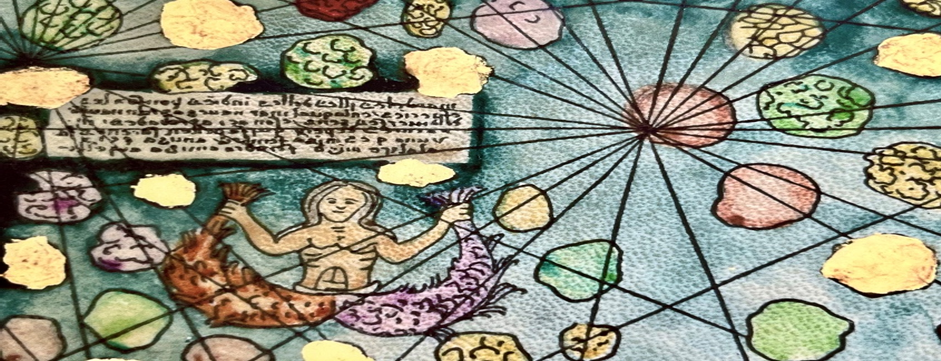
If you are like me, Croatia was not on your radar as an eminent travel destination. This is the case for most American travelers, although the Croatia Tourism Board reports an increase in recent years. When it is in consciousness of Western travelers, credit usually goes to Game of Thrones film location notoriety…shame. Croatia has so much more to offer than CGI dragon backgrounds. I am here to place “the land of one thousand islands” in the forefront of your vacation cortex, especially if you want a watery adventure.
Croatia boasts a coastline of over 3,600 miles (5,800 kilometers) in the Adriatic Sea. As part of the Mediterranean, the mild winters and dry summers make Croatia a comfortable destination even when winter is coming. From December through February, the average high is 45 degrees F (7 degrees C). During the peak season of June through August, count on temperatures in the 80s F (upper 20s and lower 30s C).
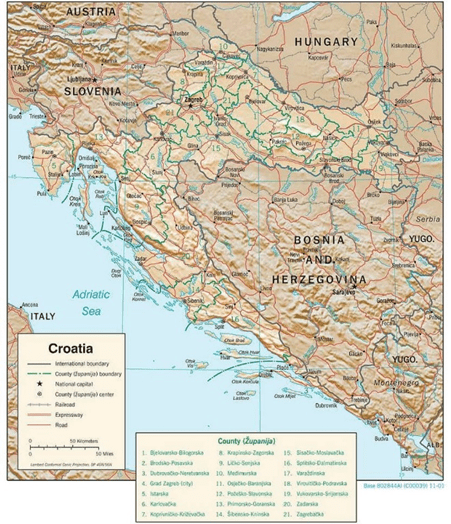
In addition to the impressive coastline, Croatia has over 1,000 islands, many of which are uninhabited and make for pristine views. Populated islands offer a blend of active excursions and restful beach days. Between dips in the sea, sip Pošip (the best white wine you’ve never had) on the island of Korčula, or beguile your tastebuds with an olive oil tasting on Brač Island. Both islands are home to indigenous and rare grape and olive varieties.

Croatia’s Dalmatian coast is a good spot to island hop from whilst immersing yourself in a culinary hot spot. Strolling the streets you will be mesmerized with the blend of old and new. A traditional fishing dingy may be moored next to neon jet skis for rent in the Makarska Riviera, while renovated historical buildings house restaurants, shops, and hotels. There is even a hostel in Diocletian’s Palace in the city of Split, which will give you more money to spend on all the delicious regional and international food to fuel your activities. Random review: ROOH, the Indian restaurant directly below the hostel has THE BEST dal I have ever eaten, and I spent months in India. The Croatian culinary scene is a force.
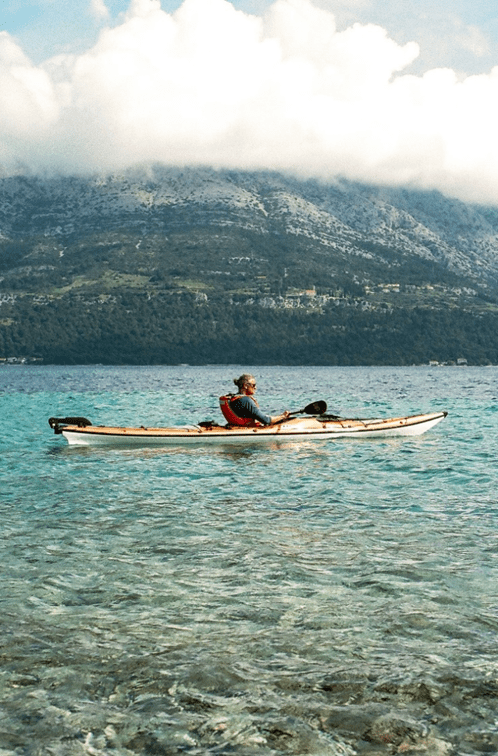
Sea temperatures average a range of 60-80 degrees F (15-26 degrees C), and the pebbled beaches make for surprisingly clear water. Open water swimmers, SCUBA divers, and snorkelers will rejoice in this destination with unique species and history. Lucky observers may see an endangered Mediterranean monk seal or periska, a giant clam reaching 47 inches (119 centimeters) in length. Remarkably, Korčula is the only place in the world you can swim over a 7,000-year-old neolithic site.

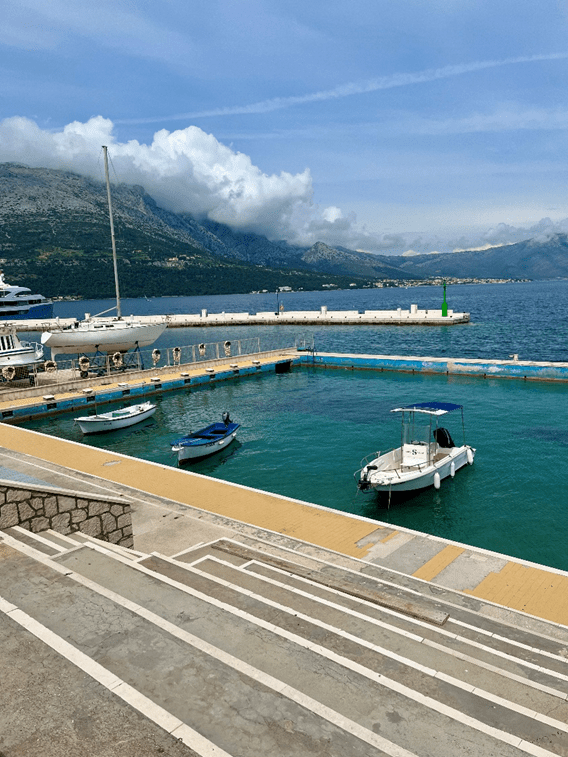
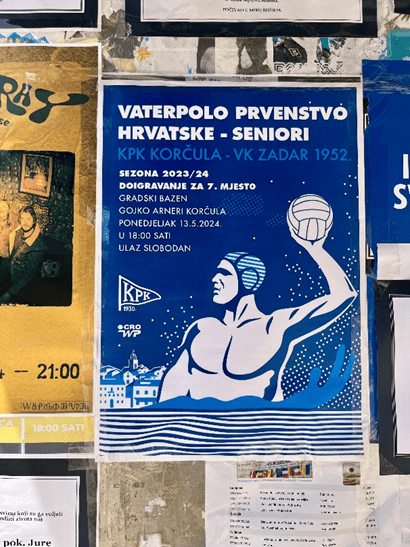
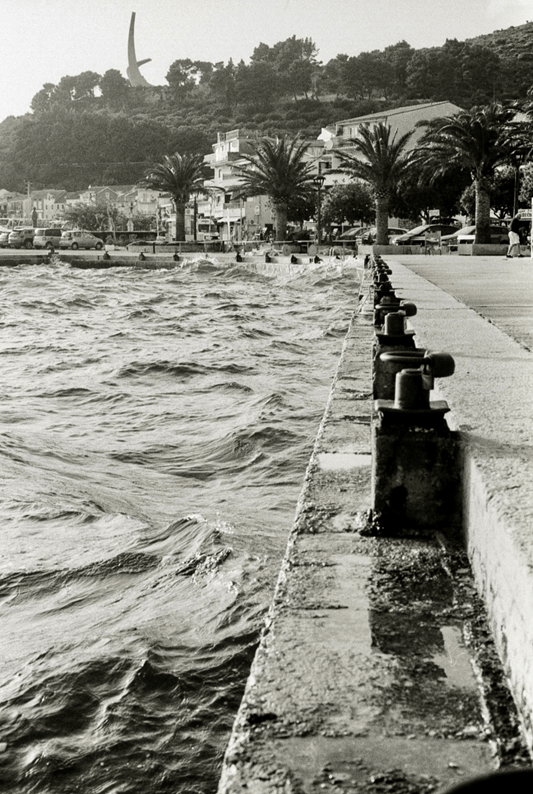
Dive into history even more on Korčula at the Marco Polo Museum. The notorious explorer is thought to hail from the island. It is no coincidence that water polo is so popular in the region. You can watch games or practices off select piers, some of which conveniently create competition pool dimensions. An indoor community pool is also available for lap swimming and group training, making the island a suitable location for swimming groups.
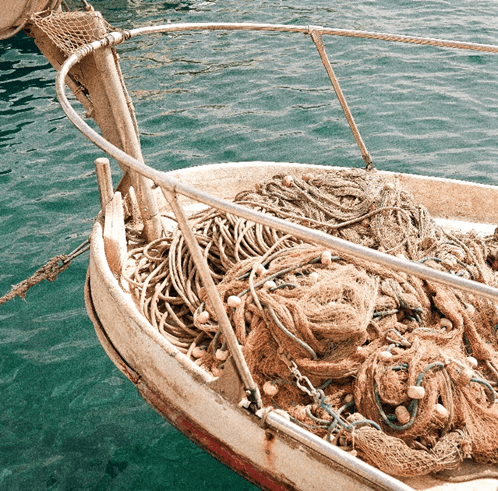
Despite the impressive coastal offerings of “Tomato Croatia,” freshwater fanatics will find options from the northern “Potato Croatia,” to the southern islands. With approximately 50 lakes and rivers to choose from, fisherfolk and those who get salty about salt water in will be placated. Flyfishing notables include grayling, Danube salmon, and multiple trout species, including the native soft-mouthed trout.
If watching water is more your speed, UNESCO World Heritage Sites and national parks abound with waterfalls and lakes where swimming is prohibited for their protection. Nonetheless, the views are sure to refresh you. Krka National Park is famous for its 17 interconnected waterfalls surrounded by trails. Not to be outdone, Plitvice National Park is the largest and oldest national park in Croatia, with 90 waterfalls to be explored. If relaxing is your priority, lounging by brilliantly hued waters is a popular pastime, and many hotels have multiple pools for guests to enjoy.
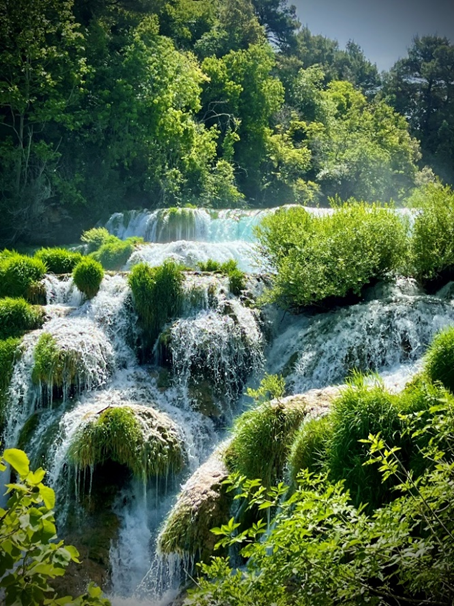
Ultimately, Croatia has a water activity for every personality. From parasailing to dinner cruises, deep sea fishing to paddleboats, and a list that goes on for as long as the sea is deep. It is not a question of if water-spirited wanderers should visit Croatia, only when.
Pro-Tips:
- Bring an adapter to charge devices- don’t count on USB ports.
- Trains offer discounts for members of the press but are notoriously unreliable. My 6-hour trip did not have Wi-Fi or charging stations.
- Don’t limit yourself to a round-trip ticket. Fly in and out of different airports to see the most. Ferry service is available for most of the islands and major ports.
- To avoid crowds, visit during the shoulder seasons of May or October. The ocean water will be warmer in October.
- The accommodations I stayed at did not provide conditioner in the shower- even the fanciest establishments. BYO for hydrated locks.
 EmilyLouina.com